Off-market property in Australia: how it works
What 'off-market property' means in Australia in 2026, how much sellers leave on the table, and the four real ways buyers get into the off-market pipeline.
If you are buying, the question that sends you to Google looking for “off-market property” is usually some version of “how do I get a look at the house before it hits Domain”. If you are selling, the question is usually “can I just sell this privately and skip the open homes”. Both questions are about the same thing from opposite sides of the contract, and the answers depend on a market that almost nobody describes honestly.
This guide is the honest version of the answer. It covers what off-market property actually means in Australia in 2026, how big the segment really is, why sellers do it and why buyers want into it, the price discount that off-market sellers typically take (which most agents do not lead with), the four channels that carry almost all off-market stock in this country, how a vendor runs an off-market campaign without giving up their rights, the legal frame around disclosure and price guides, and when off-market is the right move for either side. By the end you should be able to make a clear-eyed decision rather than a vibes-based one.
It sits inside the property marketing material on this site alongside the home staging guide, the virtual staging guide and the real estate photography guide. Where those cover how to make a property look its best in a listing, this one covers what changes when there is no public listing in the first place.
What “off-market” really means in Australia
An off-market property is a residential property that is genuinely for sale but is not publicly advertised on the two major Australian portals (realestate.com.au and Domain), is not signposted out the front, and does not get an open-home schedule that anyone with a postcode can attend. It is still legally for sale, the contract still goes through the normal conveyancing process, and the buyer still pays full stamp duty. The only thing that changes is who gets to see it.
The most common framing comes from the buyer’s-agent industry, which uses the term to describe properties offered through private networks. According to Aussie Home Loans’ overview of off-market property, an off-market property is “for sale but not publicly listed on major real estate websites, instead offered through private networks, professional connections, or direct communication with the seller”. That definition is broadly correct, but it conceals a useful distinction.
There are two reasonably distinct things being called off-market in 2026. The first is a property that the vendor wants to sell privately and would prefer never appears on Domain or realestate.com.au, full stop. The second is a property in a pre-launch window before a public campaign, where the agent is showing it to a curated short-list of buyers in the hope of selling before the campaign goes live. Agents call the second “pre-market”, but in practice the two terms are used interchangeably and most buyers cannot tell them apart from a listing description. The functional difference matters: a true off-market sale closes within the private window or not at all, while a pre-market sale ends up publicly listed in week three or four if no acceptable offer lands.
Off-market is also distinct from “coming soon” and from “expressions of interest”. A “coming soon” tag is a public marketing flag attached to a property the vendor has committed to listing on a specific date. Expressions of interest is a campaign method where the property is publicly listed but the price is not stated and offers go in by a stated deadline. Both of those are technically on-market campaigns with different rules; off-market is the one where the property is not publicly visible at all.
How big the off-market segment actually is
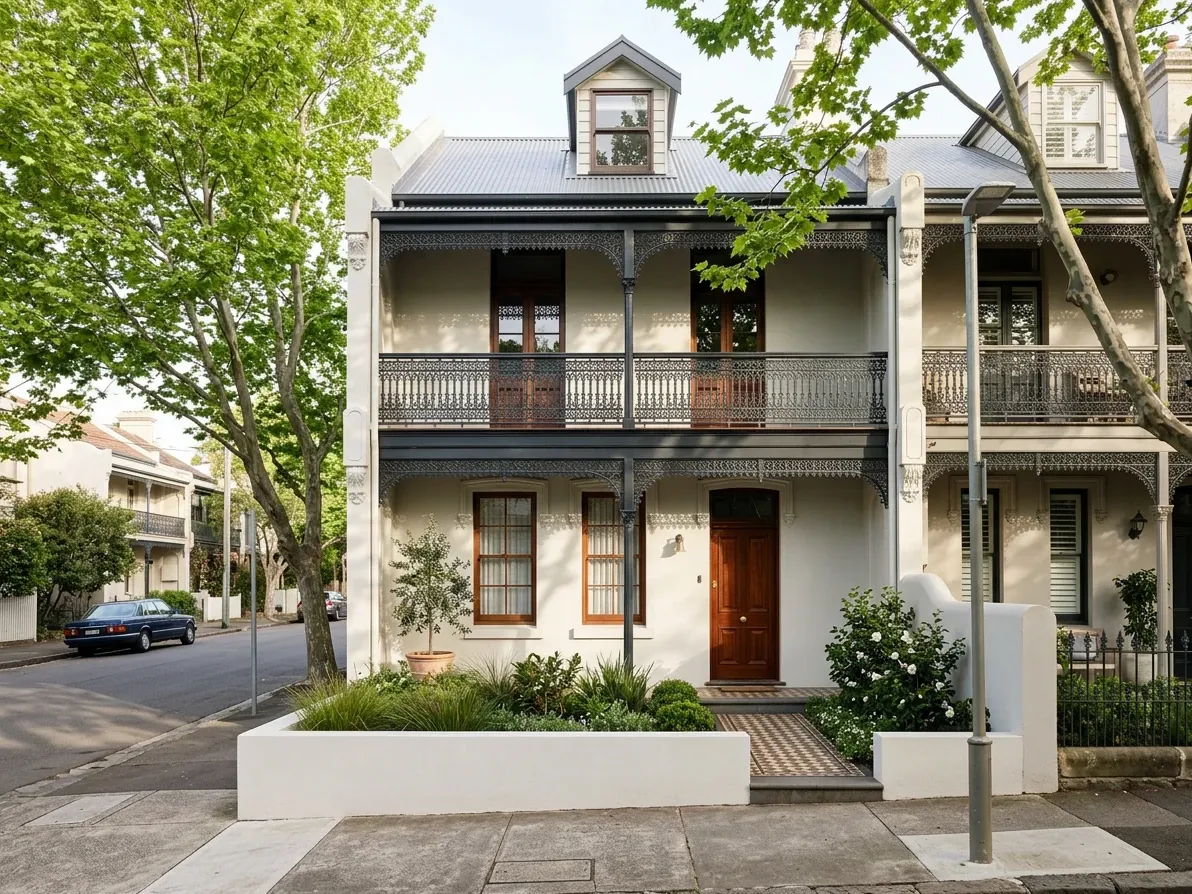
Inner-Sydney terraces are over-represented in off-market activity.
Nobody can tell you exactly. Off-market sales do not generate a listing record in any public system by definition, so CoreLogic, Australia’s leading residential property data provider, explicitly cannot track them. The figures in circulation are industry estimates produced by platforms and buyer’s agents whose business depends on the segment existing.
The most-cited number in the Australian market is from Listing Loop, the country’s main dedicated off-market platform, which estimates that off-market transactions account for around 20% of all residential property sales in Australia. Applied to CoreLogic’s reported transaction volumes, which have ranged from roughly 435,000 sales annually before the pandemic to almost 598,000 in the year ending August 2021, the 20% share implies somewhere between 87,000 and 200,000 off-market transactions per year nationally. The figure is best treated as directionally correct rather than precise, and it conceals significant variation by city, by price band and by property type.
- Publicly listed80%
- Off-market20%
The variation matters. Off-market activity tends to be concentrated in the prestige and inner-city markets where vendors prize privacy and selling agents maintain deeper buyer databases. According to a 2023 Savings Tip Jar podcast interview, Cohen Handler co-founder Simon Cohen put roughly 80% of his firm’s client purchases in the off-market category, which gives a sense of how concentrated the activity becomes inside specialist buyer’s agencies operating in the eastern-states prestige market. Other Australian buyer’s agencies report shares between 30% and 70%, depending on their suburb mix and clientele. At the other end, in standard suburban price brackets in regional Australia, the off-market share is materially smaller.
Why sellers go off-market
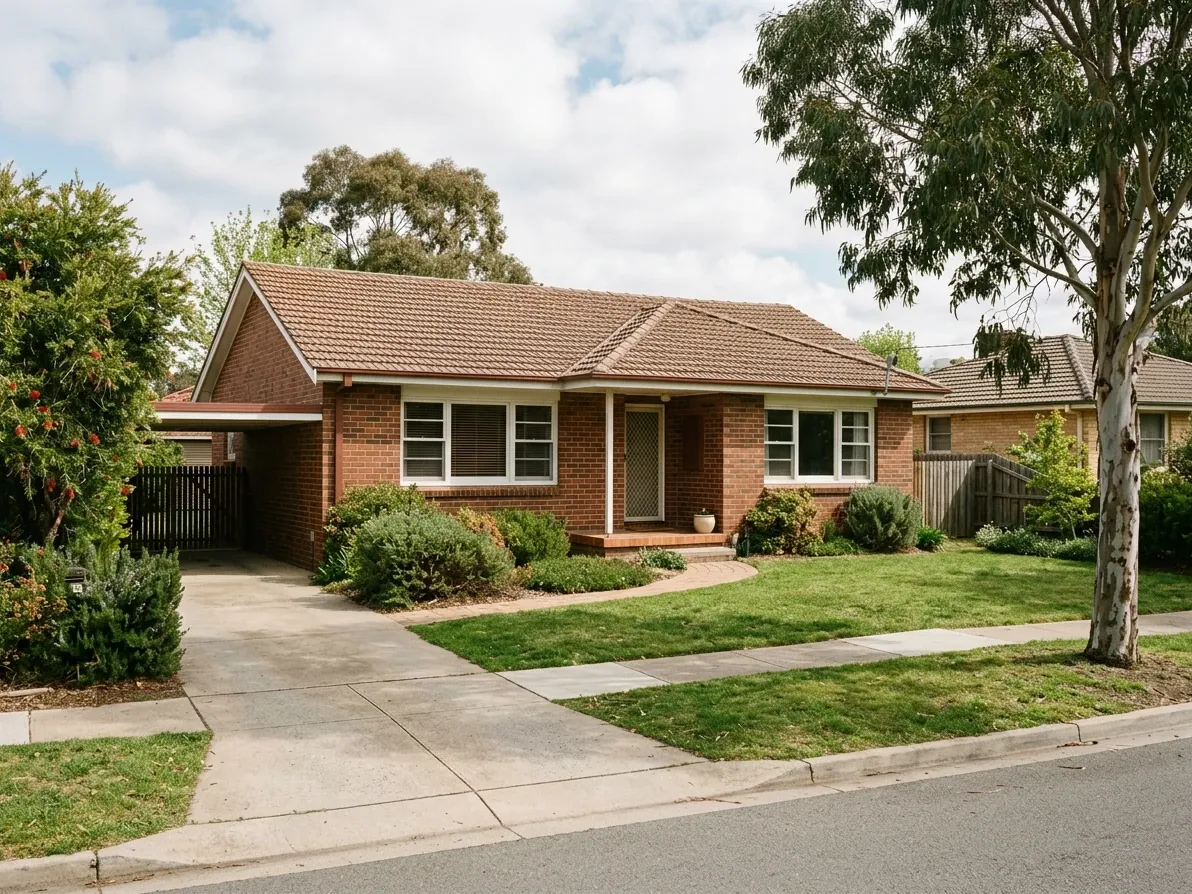
Deceased estates and downsizer sales often skip the public campaign.
The motivations cluster into five reasonably distinct cases.
The first and most common is privacy. Some vendors do not want strangers walking through the house every Saturday, do not want neighbours and friends knowing the property is on the market, and do not want the family situation behind the sale (a divorce, a death, a business sale, a downsizing decision) advertised on Domain. An off-market campaign keeps the address and the price behind a login wall and limits inspections to pre-qualified buyers. Listing Loop’s vendor-marketing copy explicitly designs the platform around this brief: the address and sale price are protected behind a registered login, and the listing does not surface in a public Google search.
The second is speed. A typical public campaign in 2026 runs four to six weeks from listing to sale, with the national median days on market at around 27 days as of April 2026 per PropTrack. An off-market sale can close in days when the agent already has a matched buyer. For vendors with a hard timing constraint (a settled purchase elsewhere, a relocation deadline, a probate timetable), the speed is worth more than the marketing exposure.
The third is avoiding the cost of a public campaign. According to the Savings.com.au coverage of the PropTrack off-market analysis, basic marketing for an Australian residential listing (signboard, professional photography, portal listings, copy) ranges from $1,000 to $10,000, with full campaigns including drone and video running higher. For vendors selling in a flat market, or sitting on a property at the lower end of the price band, the marketing spend is a tangible cost they would prefer to avoid.
The fourth is testing the market. Some vendors are not certain they want to sell. An off-market campaign lets them put the property in front of a small handful of qualified buyers, see what kind of offers come in, and decide whether to take one or pull back. If the offer is strong enough they sell; if not they hold and revisit later, without the property being publicly perceived as “passed in” or “withdrawn”.
The fifth is the matched-buyer scenario. An agent who has been working the suburb for years usually has a database of buyers who have missed out on previous campaigns and are still actively looking. When a new property fits a specific buyer’s brief, the agent has a commercial reason to introduce them before any public listing, because a private sale closes faster, costs the vendor less, and the agent collects the commission either way. This is the underlying mechanic that makes the off-market market exist at all.
There is also a sixth case that gets less coverage: distressed and time-pressured sales. Deceased estates, mortgagee sales, separation sales and forced sales sometimes go off-market because the executor or the borrower wants to avoid both the optics and the campaign timeline of a public auction. Executors specifically have a duty to sell at or above market value, so an off-market sale in these cases is not a discount sale by definition; it is a private one. The risk is that without competitive bidding it is harder to evidence that the price achieved was the market price, which is one of the reasons most deceased estates in Australia still go to auction or formal private treaty.
Why buyers want into the off-market pipeline
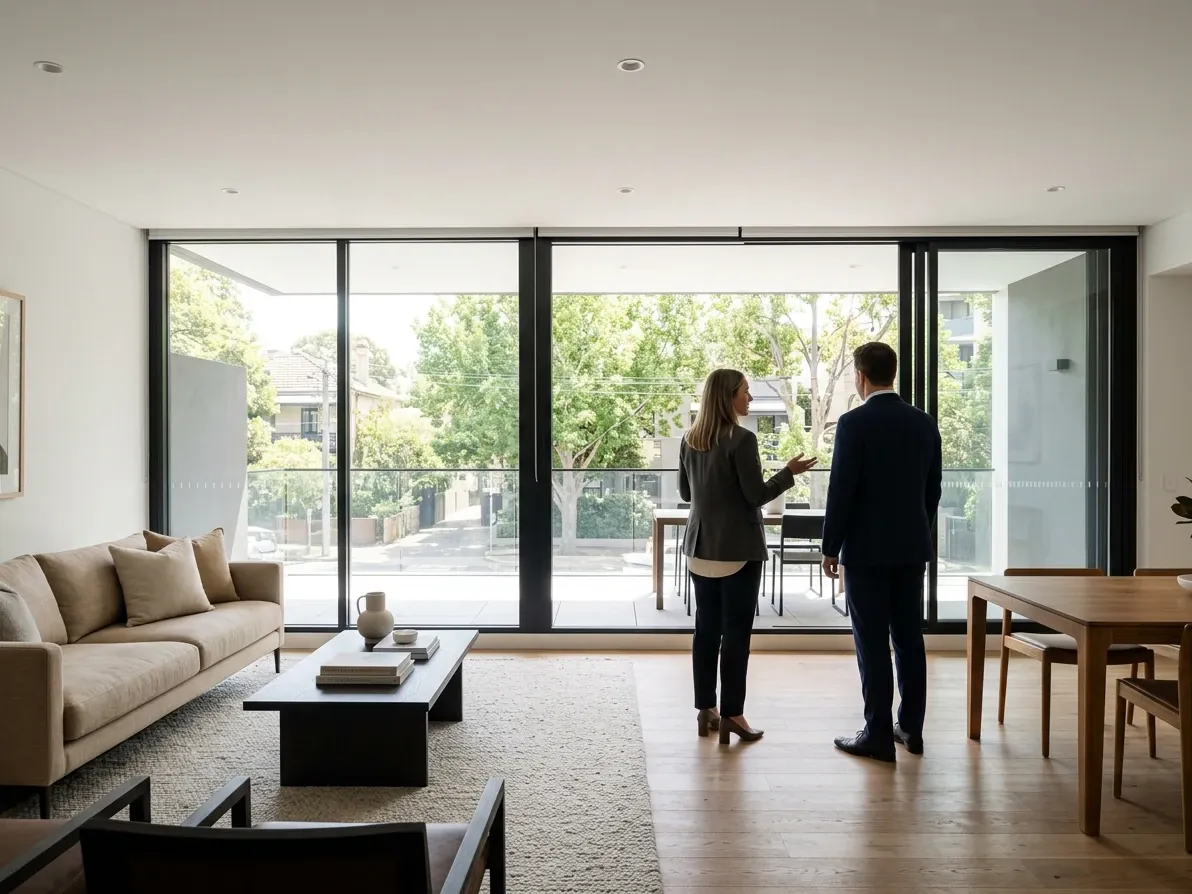
A private walkthrough replaces the Saturday open-home queue.
The buyer motivations are simpler and they cluster into three.
The dominant one is less competition. A property that ten qualified buyers see has a different price ceiling than one that three see. Auctions in heated markets routinely run 5% to 10% above the agent’s pre-auction guide because emotion and competing bidders push the price up; an off-market negotiation with one or two interested parties is a different conversation. For investment buyers especially, taking the auction emotion out of the transaction is worth real money.
The second is avoiding the auction process itself. Australian auction culture, particularly in Sydney and Melbourne, has a buyer-experience problem. Buyers report fatigue from attending auction after auction, losing to a final bid, paying for a building and pest report on each one, and starting again the next weekend. An off-market negotiation lets a buyer focus on a single property at a single pace.
The third is access to stock that the public buyer pool does not see. In a tight market where good listings sell in a week and the search portals refresh on a Saturday morning, being among the first to see a property before it lists is a structural advantage. Buyer’s agents charge a fee precisely because their access to that pre-public stock can be measured in tens or hundreds of thousands of dollars on the right property.
The discount that sellers do not usually hear about
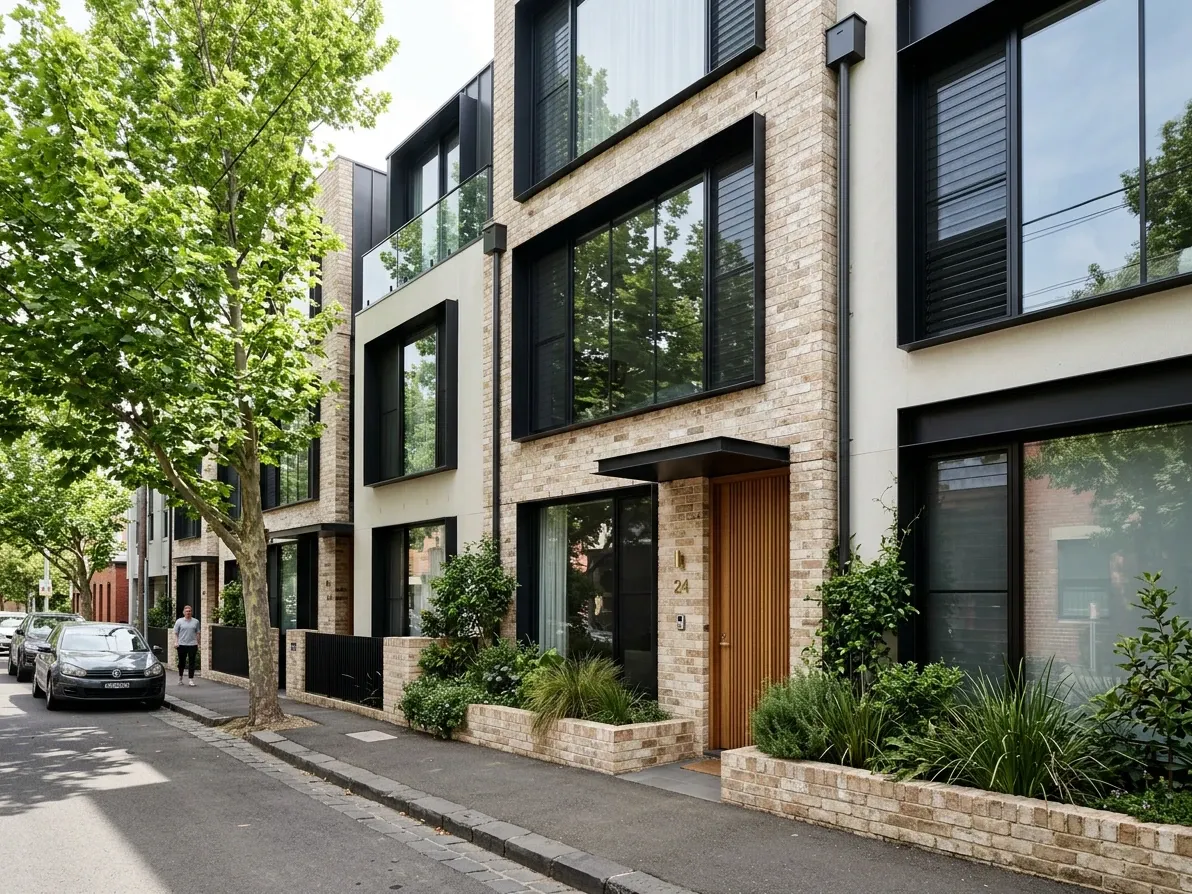
Median-band properties carry the off-market discount most consistently.
This is the part of the off-market conversation that selling agents tend not to lead with, and it is the single most important data point for any vendor weighing the decision.
According to a 2022 PropTrack analysis reported by Savings.com.au, houses sold off-market in Australia went for an average of 4.3% less than equivalent properties sold through realestate.com.au, with off-market units selling for 1.2% less. The discount varied by capital city and widened with price. In Sydney the average house sold off-market went for more than 4% less, translating to over $60,000 on a typical sale. Melbourne off-market houses sold for 2.6% less, Brisbane for 3.6% less and Perth for 4.9% less.
The price-band pattern is even more striking. The PropTrack figures show off-market discounts of 3% to 4% on properties below the national median of around $725,000, rising above 5% on properties above the median and above 6% on properties with a median price exceeding $1 million. The regional discount was wider still: regional New South Wales saw 10.3% lower sale prices for off-market transactions compared to 4.3% in Sydney itself.
The mechanism is the obvious one. Fewer buyers means less competitive pressure, which means a lower clearing price. As PropTrack chief economist Paul Ryan summarised it in the original Savings.com.au write-up, “the potential earnings lost in the final sale price far outweighs the initial cost of advertising”. The implication for a typical residential vendor is that saving $5,000 in marketing by going off-market can cost $30,000 to $60,000 in the final sale price on a standard capital-city house.
This does not mean off-market is the wrong move; it means the financial trade is real and should be acknowledged. A vendor who genuinely values privacy or speed above the last few per cent can make the trade with their eyes open. A vendor whose only reason for going off-market is to save the marketing cost is making a mistake the data has been clear about for years.
There is an important caveat. The PropTrack analysis is a population-level average and it conceals individual variation. Specific high-demand properties in tight micro-markets, particularly in inner-Sydney and inner-Melbourne prestige suburbs, can still command full market value or above off-market when the agent runs a competitive process between two or three pre-qualified buyers. The 4.3% figure is the average, not the rule.
How buyers actually find off-market property
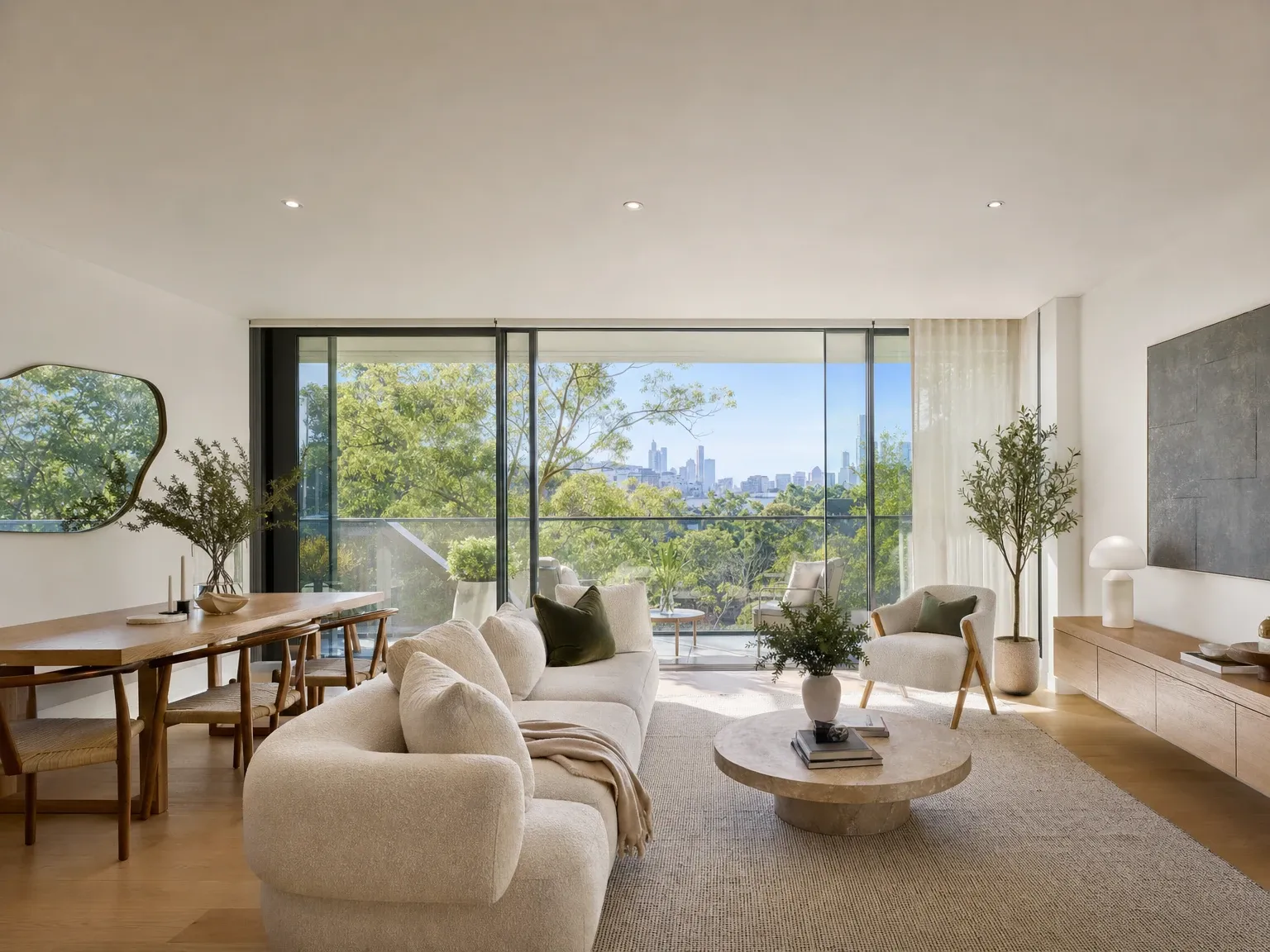
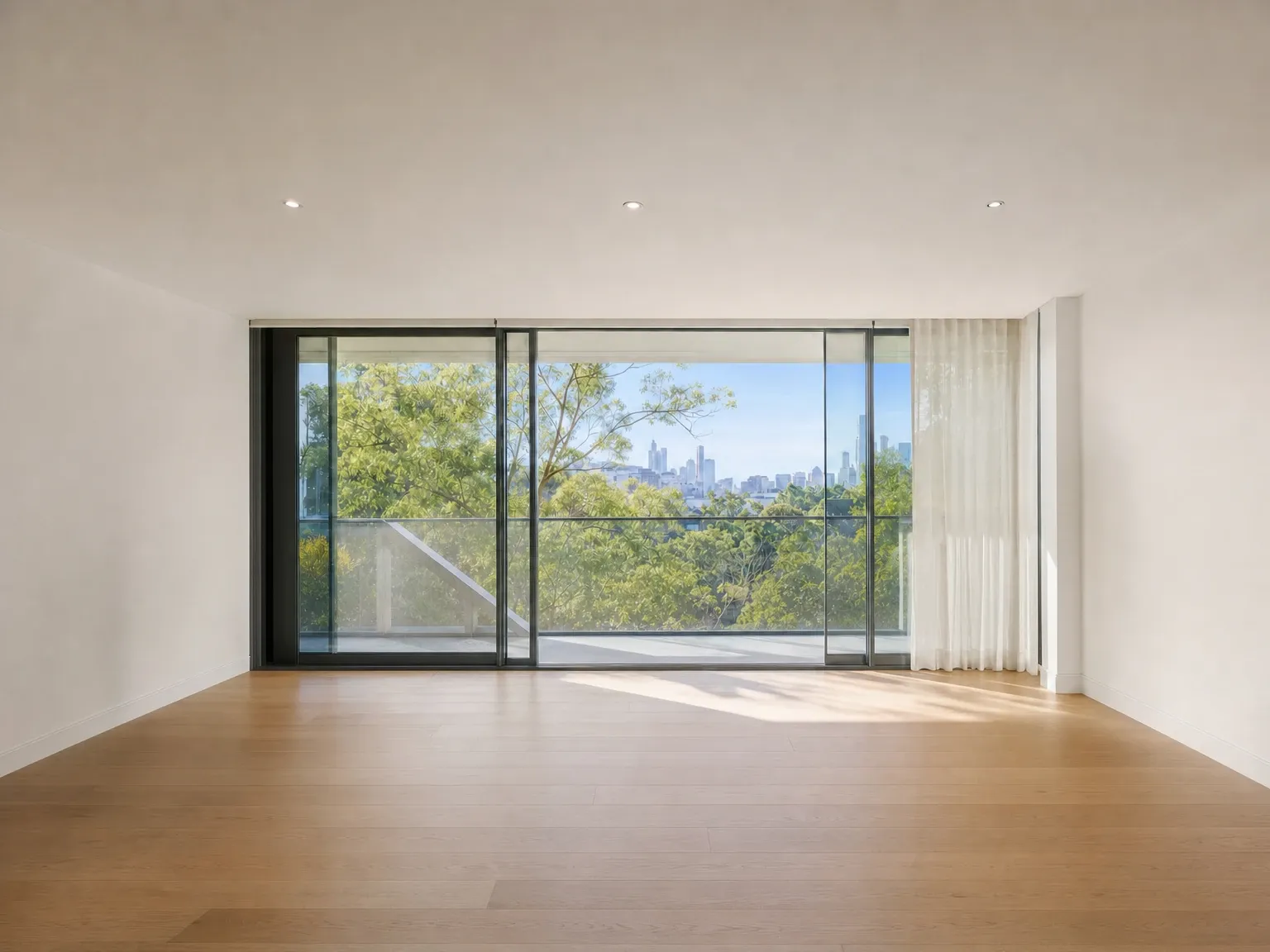 Before
After
Before
After
Four channels carry almost all off-market stock in Australia. Other paths exist but their volume is small, and in 2026 most working buyers and most buyer’s agents are running some combination of these four.
The first and largest is a retained buyer’s agent. Australia’s buyer’s-agent industry exists in significant part because selling agents prefer to introduce off-market properties to buyer’s agents first. According to BuyerX’s published walk-through of how the relationship works, selling agents reach out to buyer’s agents before a public campaign because the buyer’s agent represents vetted, finance-approved buyers who can move quickly, will not waste anyone’s time on inspections they do not intend to act on, and bring repeat business. From the buyer’s perspective, retaining a buyer’s agent essentially purchases that access. The cost in 2026 ranges from a fixed fee of around $8,000 to $25,000 plus GST for a full search-and-acquire service, or a percentage of the purchase price typically between 1.5% and 3% plus GST, depending on the firm and the city. Sydney and Melbourne sit at the upper end of those ranges; Brisbane and Adelaide are a step below.
The second is the off-market alert features on Domain and realestate.com.au. Domain in particular has built out a dedicated off-market alert tool: buyers register a search at domain.com.au/off-market, specify their criteria (location, budget, bedrooms, property type), and Domain sends notifications when participating agents flag matching off-market or pre-market stock. According to Domain’s help-centre description of the feature, registered buyers receive alerts straight through to a hidden listing page that only alert-subscribed users can view. The feature is free and is currently available across New South Wales, Victoria and Queensland with national coverage in progress. Realestate.com.au has rolled out an equivalent feature within its app over the past two years.
The third is dedicated off-market platforms. Listing Loop is the main Australian player, and its core offer is a buyer-side marketplace where every property is protected behind a registered login (so the address and price do not surface in Google) and a notification system that pings registered buyers when something matching their brief is listed. The platform also operates an integrated buyer-advisory arm called Hello Haus, which negotiates on behalf of registered buyers. Smaller platforms include Off Market Listings and Anyplace, with new entrants regularly coming and going.
The fourth is direct relationships with principal selling agents. This is the oldest channel and still the most underrated for unrepresented buyers. Identify the two or three selling agents who dominate your target suburb (their names appear on most local boards and on most sold listings on realestate.com.au’s recent-sold view), email or call them, tell them clearly and concisely what you are buying, what your finance status is and what your timeframe is, and ask to be added to their pre-list database. According to Aussie Home Loans’ off-market guide, it usually takes several attempts to register on a busy agent’s radar, so the process is patient and ongoing. Buyers who are finance-ready and decisive when contacted move to the top of the next call list quickly.
A handful of buyers also do letterbox campaigns into target streets, particularly in inner-Sydney and inner-Melbourne pockets where stock is scarce. The strike rate is low but the cost is small. Approaching downsizers, landlords and estate executors in target streets is a longer-game version of the same idea and is most often done by buyer’s agents on behalf of high-end clients.
How sellers run an off-market campaign

Off-market campaigns still need a small, considered asset set.
For a vendor considering the off-market route, the process is closer to a normal sale than most people assume. The legal and contractual framework is identical; the difference is in marketing and exposure.
The sequence usually runs like this. The vendor engages a selling agent and signs an agency agreement, exactly as for a public sale. The agreement should explicitly state that the campaign is off-market or pre-market, the length of the off-market window (typically one to four weeks), what happens if no offer is accepted (the property goes to a public campaign, or it is withdrawn), and the marketing budget allocated to the campaign. Most agents will still recommend professional photography and a floor plan, because the small buyer pool sees the property entirely through those few images.
The agent then works the matched-buyer database, sends the property to their buyer’s-agent contacts, lists it on Listing Loop if the agent has an agency account, and flags it through Domain Early Access for buyers who have registered matching alerts. Inspections are private, typically scheduled one buyer at a time. Offers are taken in writing through the normal contract process and a price negotiation happens behind closed doors rather than at an auction.
A genuinely sensible vendor structure is the soft launch, in which the agent runs a one-to-three-week off-market window, with a public listing date already scheduled at the back end if no acceptable offer comes through. The marketing assets (photos, copy, floor plan, signboard) are prepared in advance, so the public campaign can launch on day one of the public window without delay. This gives the vendor the privacy and price-discovery benefits of off-market exposure first, with the safety net of a full public campaign if needed. Most professional agents in the eastern capitals are comfortable running this two-stage process.
The piece most off-market vendors underestimate is that presentation still matters. The PropTrack data above is partly a population effect (fewer buyers means lower prices) but it is also partly a presentation effect: properties that go off-market often skip the styling, the deep clean, and the proper photography that on-market vendors invest in, because the campaign feels lower stakes. That is a false economy. The handful of buyers who do see an off-market property form their entire impression from a small set of images and a single inspection. If anything, the marginal value of decluttering, virtual staging and good photography is higher on an off-market campaign than on a public one, because each impression carries more weight in the buyer’s decision.
The legal frame: disclosure, the ACL, and the underquoting reforms
No signboard does not mean no obligations.
Off-market sales sit inside the same legal frame as public ones in every Australian jurisdiction. The framework that matters most is the Australian Consumer Law, the relevant state Estate Agents or Property Stock Agents Acts, and the new state-by-state seller disclosure regimes.
The Australian Consumer Law applies to off-market sales in full. Section 18 of the ACL prohibits misleading or deceptive conduct in trade or commerce, and section 30 prohibits false or misleading representations about the sale of land. According to the ACCC’s published guidance on real estate, agents and vendors cannot make representations they know are false, cannot omit material information that a buyer would reasonably want to know, and cannot create overall impressions that mislead, regardless of marketing channel. The intent to mislead is irrelevant; what matters is the overall impression the buyer is given.
The duty of disclosure is similarly channel-agnostic. According to NSW Government guidance on misrepresentation by property agents, if an agent knows a material fact about a property and a reasonable buyer would want to know it, that fact must be disclosed. Off-market sales offer no protection against this duty; if anything, the absence of a public listing makes it harder to argue that a buyer should have discovered the fact independently.
The recent underquoting reforms in New South Wales and Victoria have tightened how price expectations are stated and recorded. In Victoria, new reserve-price disclosure laws documented by Maddocks require agents to record and disclose the reserve price in a more structured way. In New South Wales, the Property and Stock Agents Amendment (Underquoting Prohibition) Act 2025 introduced mandated price guides and stiff penalties for breach, with fines of up to $110,000 or three times the agent’s commission, whichever is higher. The reforms target the public-auction underquoting pattern most explicitly, but the misleading or deceptive conduct provisions reach off-market price representations as well.
Queensland’s new mandatory seller disclosure regime under the Property Law Act 2023 came into force on 1 August 2025 and applies to every residential vendor in the state, regardless of marketing channel. According to Holding Redlich’s published summary of the changes, every Queensland residential vendor must now give the buyer a prescribed disclosure statement (Form 2) and the listed supporting documents (title search, registered plan, body corporate disclosure where applicable, planning information) before the contract is signed. Off-market campaigns do not exempt the vendor from this requirement. The pattern across other states is moving in the same direction.
A useful summary for vendors: the marketing channel is up to you, but the price representations, the duty to disclose material facts, and the consumer-law obligations are not. Get the agency agreement in writing, get the price guide rules right (especially in NSW and Victoria), and treat the disclosure documents as if the property were going to public auction. Most legal trouble in off-market sales comes from vendors and agents who assumed the private channel meant a relaxed disclosure standard. It does not.
When off-market makes sense, and when it doesn’t
Niche property types are where off-market genuinely earns its place.
Pulling the trade-offs together, off-market makes sense when at least one of the following genuinely applies.
For vendors: a deceased estate where the family wants a discreet sale, a relationship breakdown or divorce where one party cannot host open homes, a tenanted investment where disrupting the tenant is unreasonable, a downsizing or relocation move where the vendor cannot be present for inspections, a property where a buyer’s-agent introduction has already produced a credible offer, or a market position where the property is so specific (a niche prestige spec, an unusual block, a once-in-a-decade architectural piece) that the right buyer comes from a hand-picked short-list rather than a broad campaign. Vendors with none of those conditions and a standard suburban property in an active market are usually better served by a public campaign, because the population-level data is unambiguous about the average price effect.
For buyers: an investment search where competition discipline matters more than emotional fit, a search in a tight suburb where public listings sell in under a week and being early is structurally valuable, a buyer who has retained a buyer’s agent and wants to use the access that fee bought, or a buyer who simply prefers a calmer private negotiation to an open-air auction. Buyers should also understand that off-market does not always mean below market: in tight inner-city prestige micro-markets, the right off-market property in front of two competing buyers can clear at or above the public-campaign price the vendor would have achieved.
For both sides, the honest summary is that off-market is a real channel, it is materially larger than most home buyers realise (around one in five Australian residential transactions on the best available estimate), and it is neither a secret discount for buyers nor a clever shortcut for vendors. It is a different commercial setting with different costs and different upsides, and it rewards the side that goes into it with eyes open.
Where reIMG fits
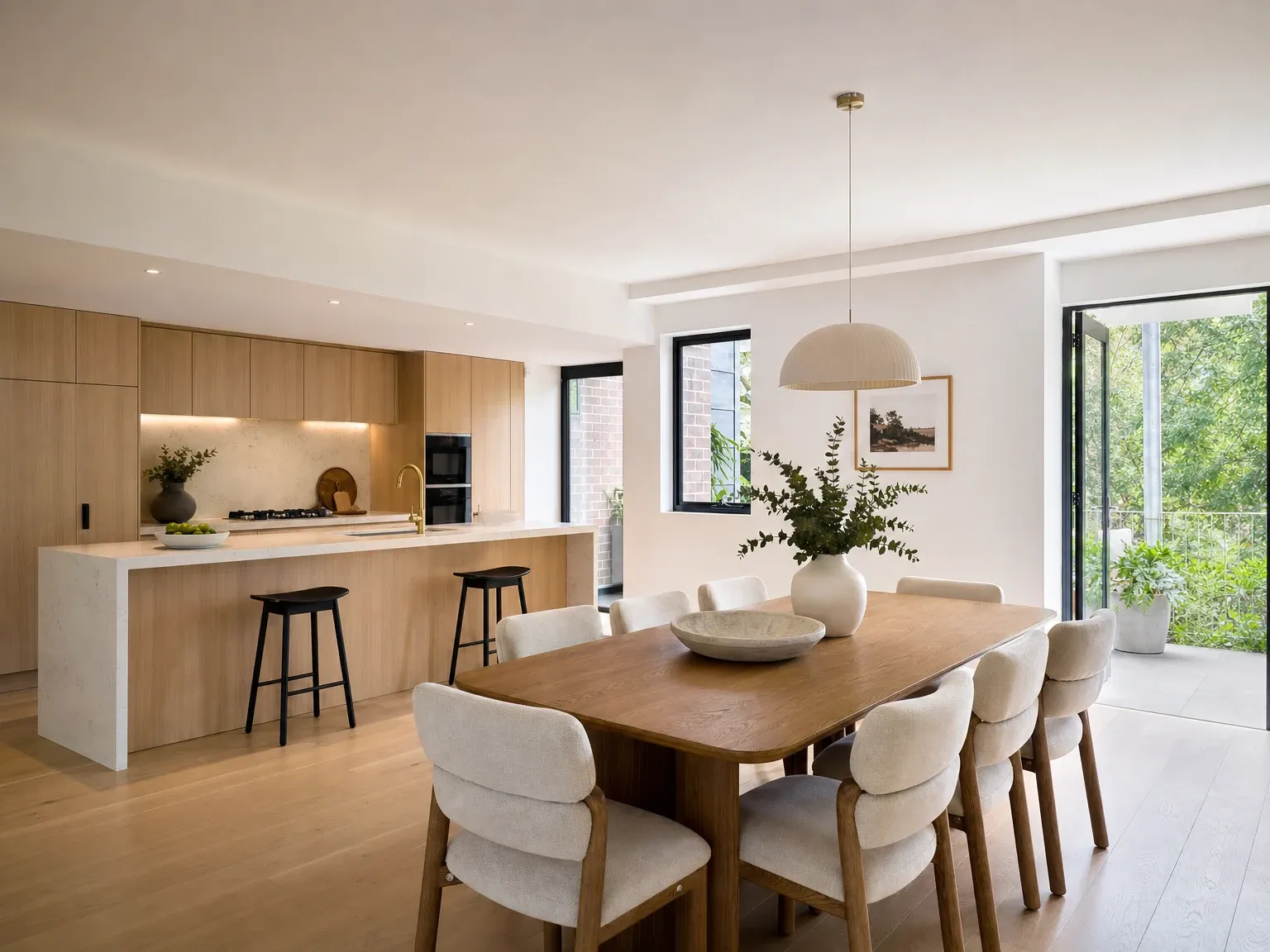
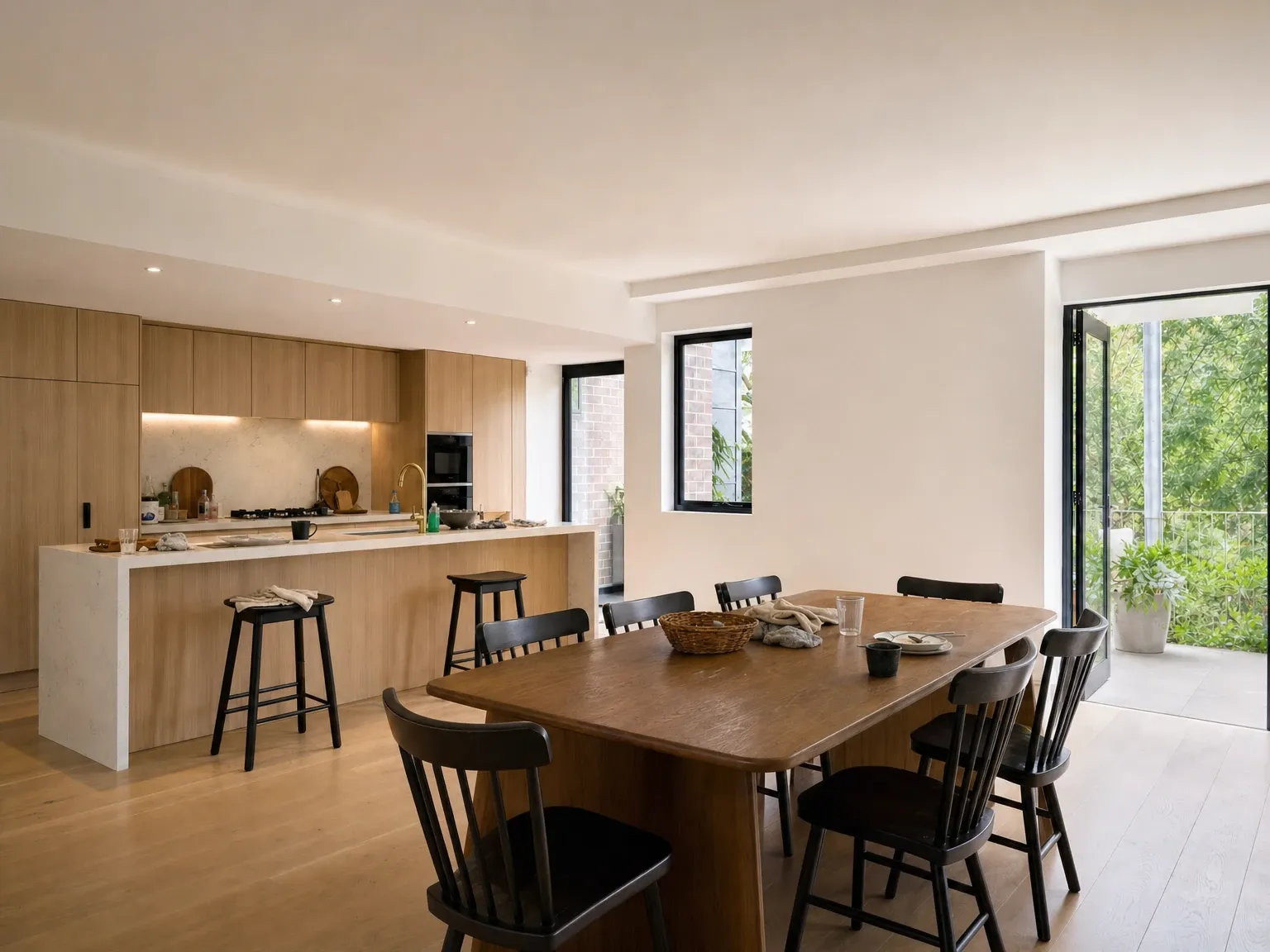 Before
After
Before
After
The thing that surprises most off-market vendors is how much the small set of marketing assets still matters. A buyer’s agent inspecting twenty pre-market opportunities a week filters most of them out from the photos alone. A Listing Loop subscriber looking at the day’s new alerts decides whether to register interest in seven seconds. A direct-database buyer who gets the property emailed to them by their selling-agent contact decides on the strength of three images and a floor plan.
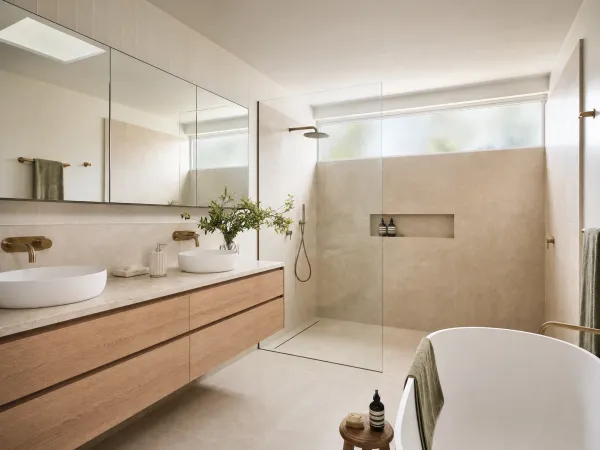
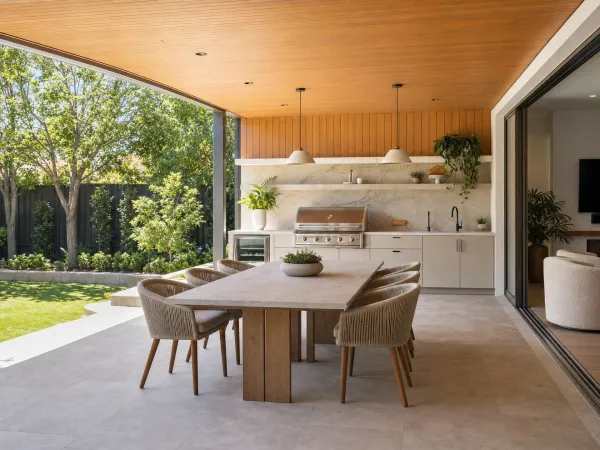
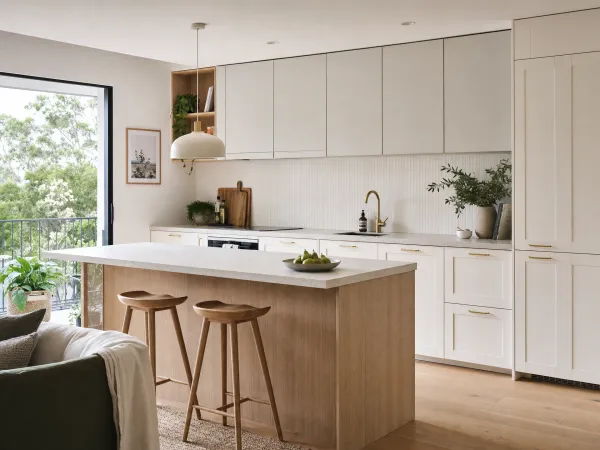
If the campaign is off-market, the small things photograph harder. An empty room reads as cold; a cluttered occupied home reads small; a tired bathroom reads tired. We exist to fix exactly that part. We turn an empty room into a furnished one, take the tenant’s clutter out of a tenanted-property shot, render a kitchen, refresh a tired bathroom, or replace the sky in an exterior shot, with results back inside 24 hours and the first job free. For vendors running an off-market or pre-market campaign on a small buyer pool, the marginal value of the assets that pool sees is high; for buyer’s agents working through a flow of off-market opportunities on behalf of clients, the same applies. Send a photo and a brief and we handle the rest.
Frequently asked questions
What does off-market property actually mean in Australia?
An off-market property is one that is genuinely for sale but is not publicly listed on the major portals (realestate.com.au and Domain) or signposted out the front. Instead it is offered through private channels: the listing agent’s buyer database, a buyer’s agent network, an invitation-only platform like Listing Loop, or a Domain off-market alert. The property is still legally for sale and any offer goes through the normal contract, conveyancing and settlement process. The only thing that changes is the size of the buyer pool and the visibility of the marketing.
How big is the off-market segment in Australia?
There is no public dataset that tracks it, because off-market sales do not enter the public listing systems by definition. Listing Loop’s industry estimate, the most-cited figure in the market, puts off-market transactions at roughly 20% of all residential sales in Australia. Applied to the roughly 435,000 to 600,000 annual house and unit sales that CoreLogic has reported in recent years, that works out at somewhere between 87,000 and 200,000 off-market transactions a year nationally. The figure is widely accepted as directionally correct rather than precise.
Do off-market properties sell for less than listed ones?
On average, yes. The 2022 PropTrack analysis covered in the Savings.com.au write-up found that houses sold off-market went for 4.3% less than equivalent properties listed on realestate.com.au nationally, translating to a $60,000-plus difference on the typical Sydney house, 2.6% in Melbourne, 3.6% in Brisbane and 4.9% in Perth. The discount widened with price, reaching above 6% on properties with a median above $1 million, and ran to 10.3% in regional New South Wales. Specific high-demand properties in tight micro-markets can still command a premium off-market, but the population-level finding is that fewer buyers usually means a lower clearing price.
Is selling off-market legal in Australia?
Yes. Off-market sales are a normal and legal way to sell residential property in Australia and have been for decades. The Australian Consumer Law still applies in full: misleading or deceptive conduct under section 18, false or misleading representations about land under section 30, and the duty to disclose material facts that a reasonable buyer would want to know. The recent reforms in New South Wales and Victoria, including the Property and Stock Agents Amendment (Underquoting Prohibition) Act 2025 in NSW and Victoria’s new reserve-price disclosure rules, tighten how price guides are stated and recorded, and apply to off-market campaigns the same way they apply to public ones.
What’s the difference between “off-market” and “pre-market”?
Off-market means the property is for sale and may stay that way without ever being publicly listed. Pre-market means the property is on its way to a public campaign and is being shown to a hand-picked group of buyers (a buyer’s agent network, the agent’s hot-buyer database, a Domain Early Access alert) in the days or weeks before it goes live. Pre-market is best understood as a soft launch: the property still ends up publicly listed if it does not sell first. In practice the terms are used interchangeably by many agents, which causes confusion. If the distinction matters to you, ask the agent in writing whether the property will be publicly listed if no off-market offer is accepted.
How do buyers actually find off-market property?
Four channels carry almost all of it. The first is a buyer’s agent retained on your behalf, who works the local selling-agent network and is offered properties before a public campaign. The second is the off-market alert features on Domain and increasingly on realestate.com.au, where buyers register a saved search and receive notifications when agents flag matching pre-market or off-market stock. The third is dedicated off-market platforms (Listing Loop is the main Australian one) where buyers register and view properties hidden from public search. The fourth is direct relationships: introducing yourself to the principal agents in your target suburbs, asking to be on their pre-list databases, and being responsive and finance-ready when something is offered.
How much does a buyer’s agent cost in Australia in 2026?
Buyer’s agents charge either a percentage of the purchase price (typically 1.5% to 3% plus GST) or a fixed fee (typically $8,000 to $25,000 plus GST for a full search-and-acquire service). Sydney and Melbourne sit at the upper end, Brisbane and Adelaide a step below. For investment buyers the fee is often justified against the discount and the access; for an owner-occupier on their forever home it is a more case-by-case decision. The role is unregulated as to fee structure but regulated as to licensing in every state and territory.
Can sellers run an off-market campaign and switch to public if it does not sell?
Yes, and many do. The standard sequence is a short off-market window of one to four weeks during which the agent works through their buyer database, an off-market platform listing, and any buyer’s agent introductions, followed by a public campaign if no acceptable offer comes in. Some agents call this two-stage approach pre-market; others run it as a soft launch by another name. The point is that going off-market does not lock you in: the property can move to a full Domain and realestate.com.au listing at any point, and the listing photos, copy and floor plan are normally prepared so the public campaign can launch quickly if needed.
Does an off-market property still need professional photos?
Yes, and arguably more than a publicly listed one. A public listing reaches every buyer in the search radius, so a weak photo set still gets seen; an off-market property is offered to a curated buyer pool, so each person on that list forms their first impression from a small handful of images. Buyer’s agents inspect dozens of off-market opportunities a week and rely heavily on the photos to decide what to walk through. Investing in good photography, decluttering and where appropriate virtual staging is at least as important as on a public campaign, despite the smaller audience.
Do new property and seller disclosure laws affect off-market sales?
Yes. Queensland’s new mandatory seller disclosure regime under the Property Law Act 2023, in force from 1 August 2025, requires every residential vendor to give buyers a prescribed disclosure statement (Form 2) and supporting documents before the contract is signed, regardless of whether the campaign was public or off-market. New South Wales and Victoria have separately tightened underquoting rules. The pattern across jurisdictions is the same: the marketing channel is up to the vendor, but the disclosure obligations are not negotiable.
When does off-market make sense for a seller?
Off-market is a fit when privacy or speed genuinely matters more than the last few percent of price. Common scenarios are deceased estates where the family wants a discreet sale, divorce or relationship-breakdown sales, properties tied to an upcoming downsizing move where the vendor cannot host open homes, tenanted investment properties where the tenant cannot be reasonably disrupted, and sales where the agent already has a strong buyer ready to go. It is less of a fit when the vendor’s main aim is the highest possible price in a competitive suburb, which is what auction campaigns are built to extract.
Is it true that 80% of buyer’s agent purchases are off-market?
The 80% figure comes from a 2023 interview in which Cohen Handler co-founder Simon Cohen told the Savings Tip Jar podcast that about 80% of his firm’s client purchases were off-market. That is one buyer’s agency at the higher end of the market, not an industry average, and Cohen Handler operates primarily in the Sydney and east-coast prestige market where off-market activity is unusually concentrated. Other Australian buyer’s agencies quote shares between 30% and 70%. The honest reading is that buyer’s agents have unusually high off-market access compared to unrepresented buyers, but the specific share varies by firm and suburb.